
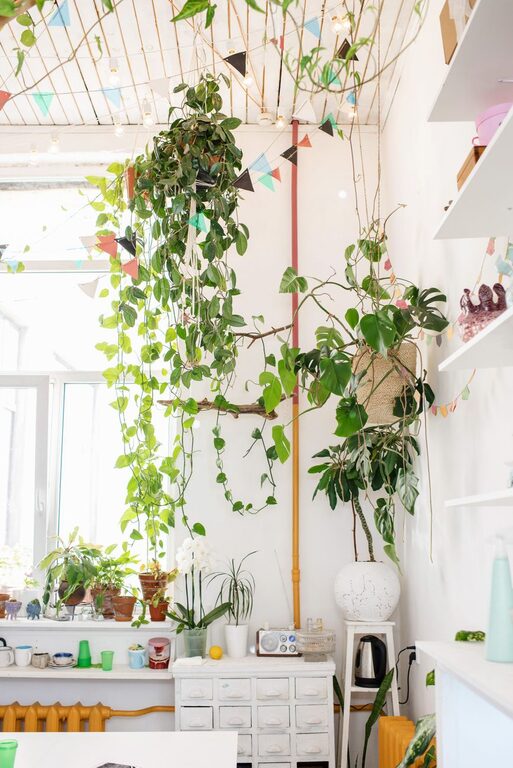
Creating a sustainable and eco-friendly home environment is not only good for the planet but can also improve your quality of life and reduce household costs. Small, mindful changes in how you manage energy, water, waste, and materials can make a big difference. This guide offers practical tips and ideas to help you build a greener home, no matter your budget or living situation.
Why Choose a Sustainable Home?
Sustainability in the home means reducing your environmental impact while creating a comfortable living space. By conserving resources, reducing waste, and using eco-friendly products, you contribute to cleaner air, less pollution, and a healthier world. Additionally, sustainable homes often have lower utility bills and promote a more mindful lifestyle.
Start with Energy Efficiency
One of the biggest ways to make your home eco-friendly is by improving energy efficiency. This means using less electricity and heating energy without sacrificing comfort.
Use Energy-Efficient Appliances
Replace old appliances with energy-efficient models that carry the Energy Star label or an equivalent certification. These devices use less electricity while performing the same tasks.
Switch to LED Lighting
LED bulbs consume up to 80% less energy than traditional incandescent bulbs and last much longer. Consider smart lighting systems that adjust brightness based on natural light or occupancy.
Improve Insulation and Seal Leaks
Proper insulation in walls, attics, and floors keeps your home warm in winter and cool in summer. Use weatherstripping and caulk to seal gaps around windows and doors to prevent heat loss.
Consider Renewable Energy Sources
If possible, invest in solar panels or green energy plans offered by your utility provider. Generating your own renewable energy reduces reliance on fossil fuels.
Manage Water Wisely
Water is a precious resource, so conserving it inside and outside your home counts towards sustainability.
Install Low-Flow Fixtures
Low-flow showerheads, faucets, and toilets reduce water use without compromising performance. These simple swaps can save hundreds of gallons per month.
Collect Rainwater
Use rain barrels or other collection systems to gather rainwater for watering plants or cleaning tasks. This reduces demand on municipal water systems.
Fix Leaks Promptly
A dripping faucet or running toilet wastes significant amounts of water. Regularly check and repair leaks to save water and prevent damage.
Reduce Waste and Recycle Efficiently
Waste reduction keeps landfills smaller and resources in circulation for longer.
Minimise Single-Use Plastics
Replace disposable items like plastic bags, utensils, and containers with reusable alternatives. Bring your own bags and containers when shopping or dining out.
Compost Organic Waste
Create a compost bin for food scraps, coffee grounds, and yard waste. Compost enriches garden soil and reduces household waste.
Separate and Recycle Correctly
Sort recyclable materials such as paper, glass, metal, and plastics according to local regulations. Proper recycling helps ensure materials are reused and not trashed.
Choose Sustainable and Non-Toxic Materials
The materials you bring into your home impact both the environment and your health.
Opt for Natural and Renewable Materials
Use timber from sustainably managed forests, bamboo, cork, or recycled materials for furniture and flooring. Avoid products with high embodied energy or pollution during production.
Select Low-VOC Paints and Finishes
Volatile organic compounds (VOCs) in many paints and finishes can harm indoor air quality. Choose low or zero-VOC options to create a healthier environment.
Buy Durable and Repairable Goods
Invest in high-quality products that last longer and can be repaired rather than replaced. This reduces waste and the need for new resources.
Create a Healthy Indoor Environment
Sustainability also means promoting wellbeing inside your home by improving air quality and incorporating nature.
Increase Natural Light and Ventilation
Maximise the use of daylight to reduce electricity needs and enhance mood. Open windows where possible to let fresh air circulate and reduce indoor pollutants.
Add Indoor Plants
Houseplants absorb carbon dioxide and can improve air quality by filtering toxins. They also add a natural touch and create a calming atmosphere.
Maintain and Educate
Sustainability is an ongoing process. Regular maintenance and continuous learning help you adapt and improve over time.
Keep Home Systems Maintained
Regularly service heating, cooling, and plumbing systems to ensure they operate efficiently and do not waste energy or water.
Stay Informed and Share Knowledge
Follow sustainability blogs, attend local workshops, or join green living communities. Sharing what you learn encourages others and supports wider change.
—
Creating a sustainable and eco-friendly home environment is achievable with a combination of simple habits, thoughtful choices, and small investments. By conserving resources, reducing pollution, and embracing nature, you create a living space that benefits your family and contributes positively to the planet. Every action counts toward a greener future.